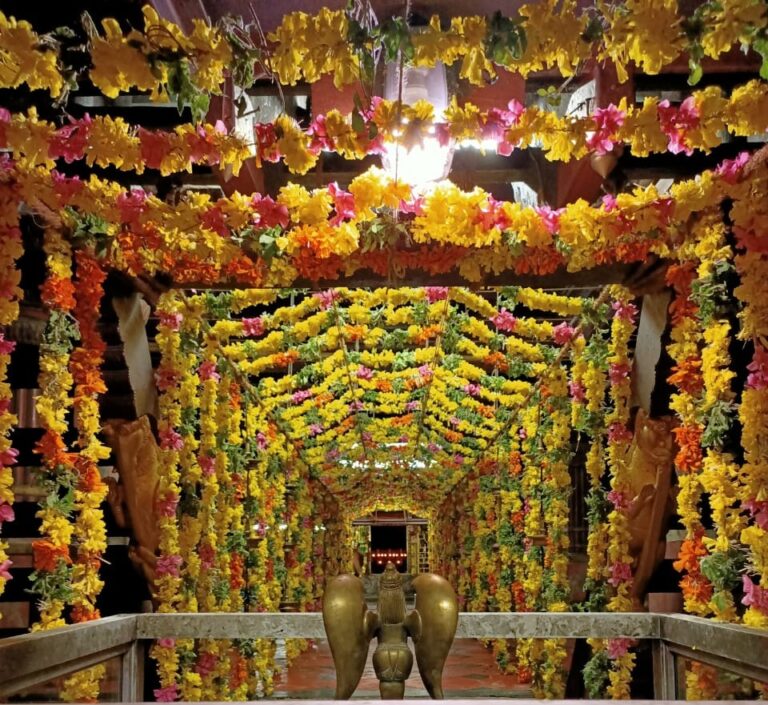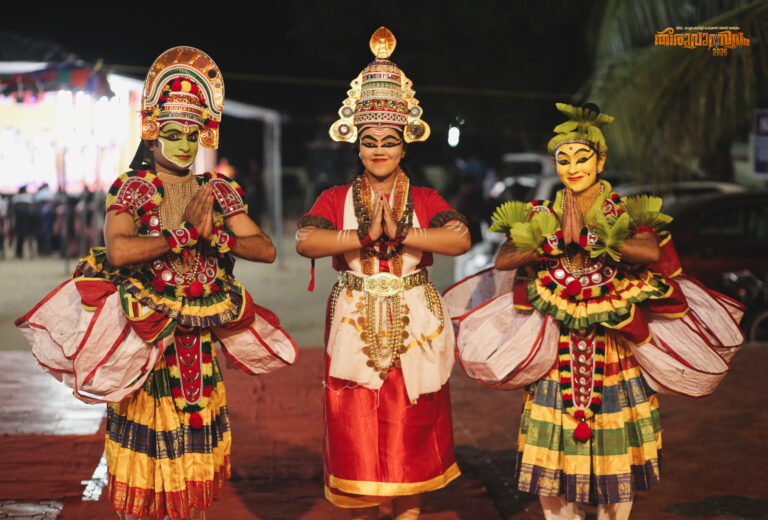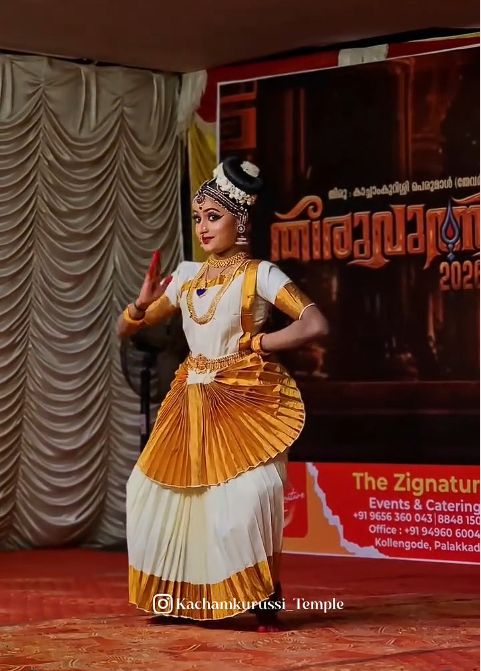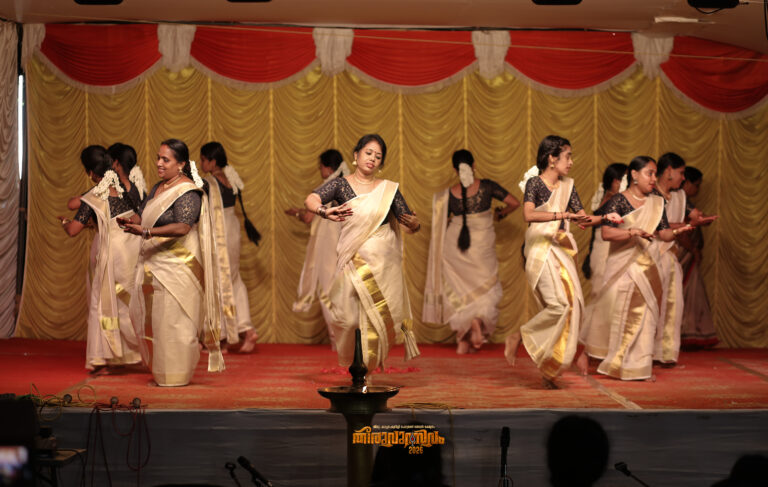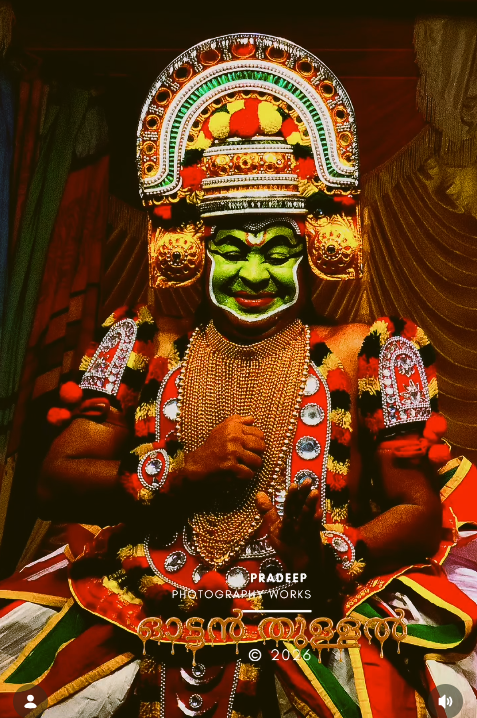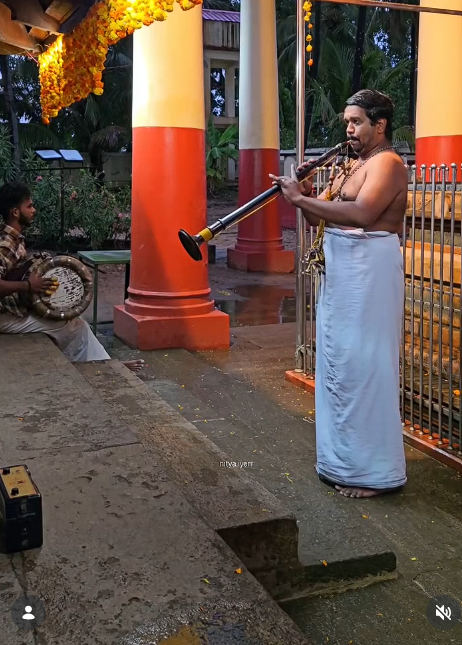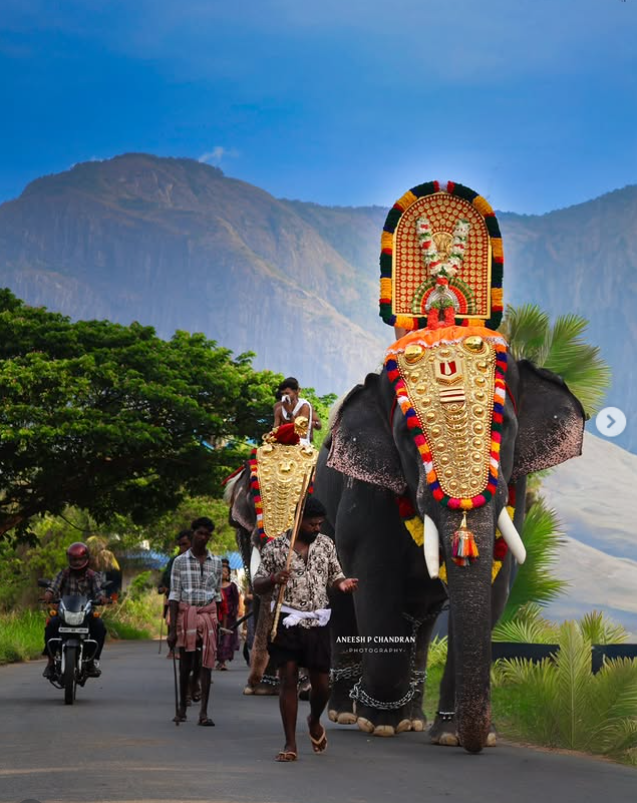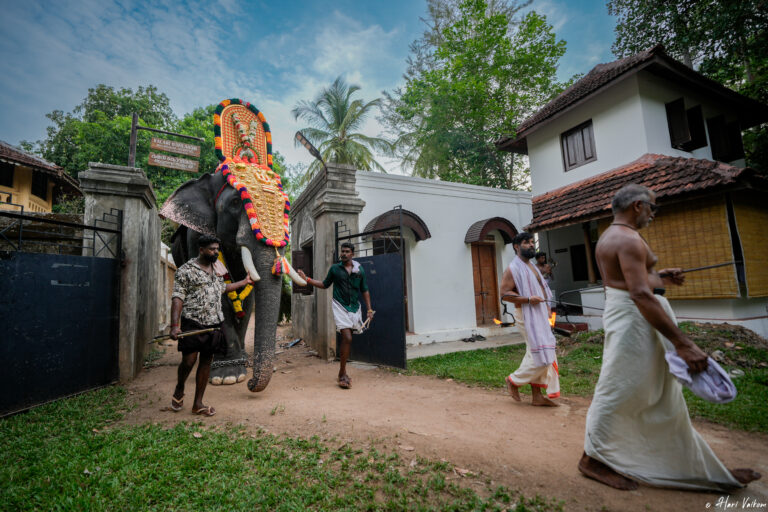
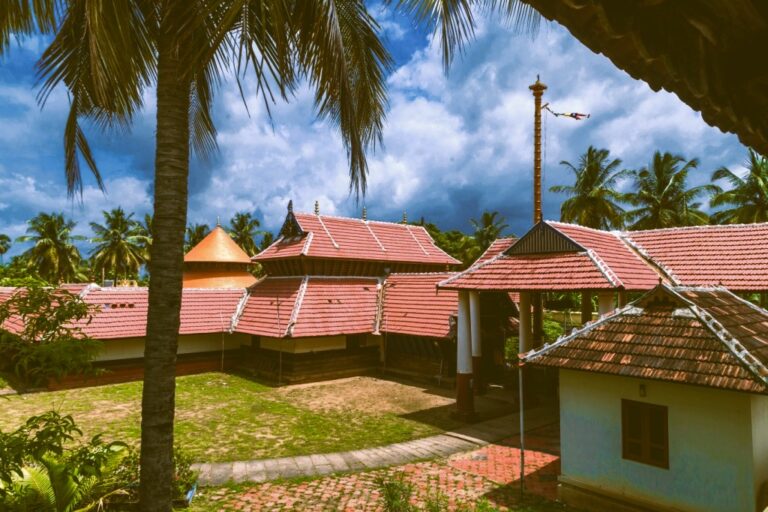
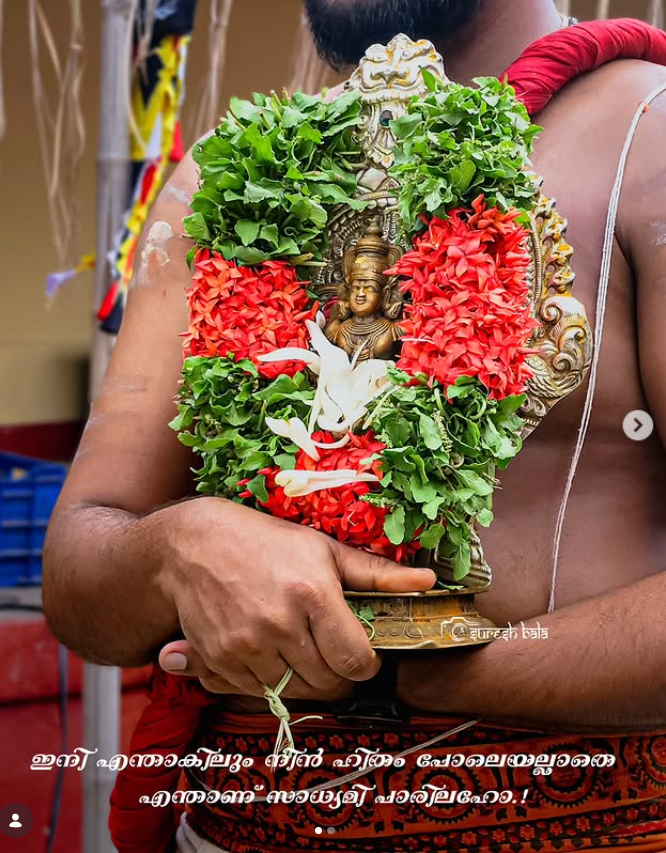

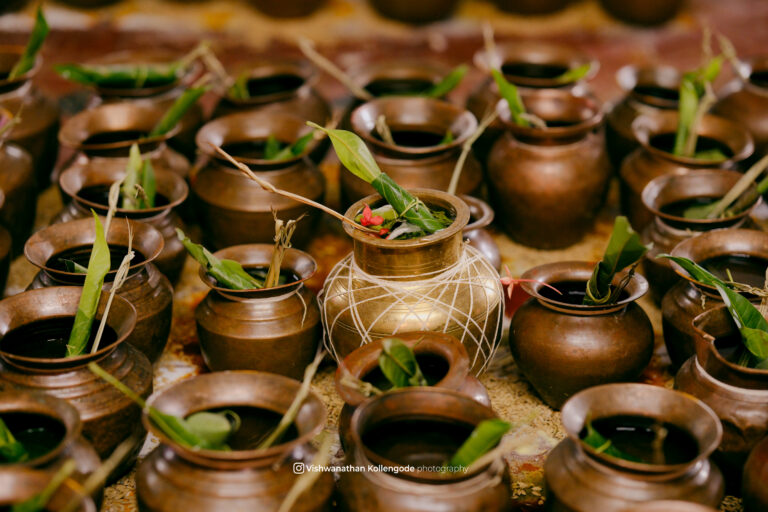
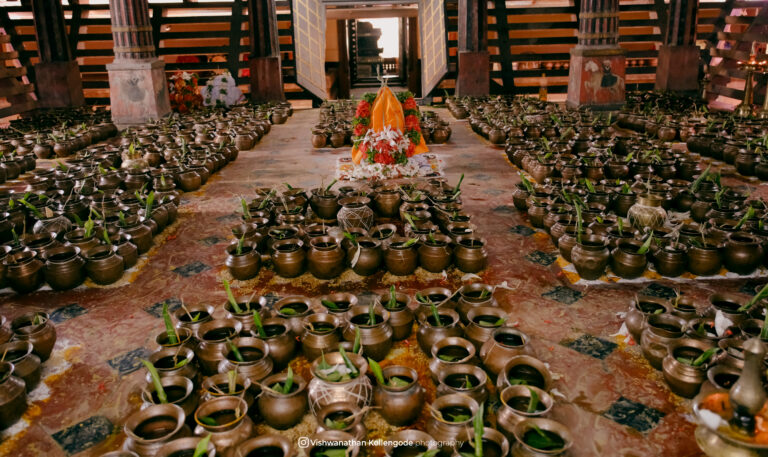
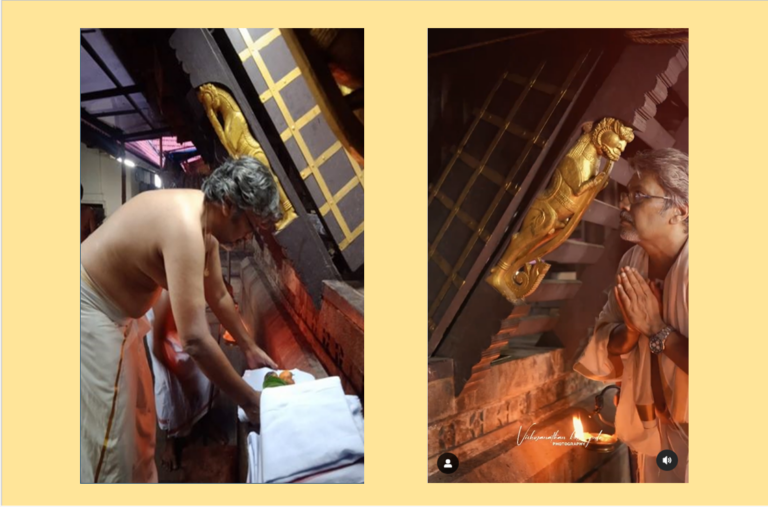
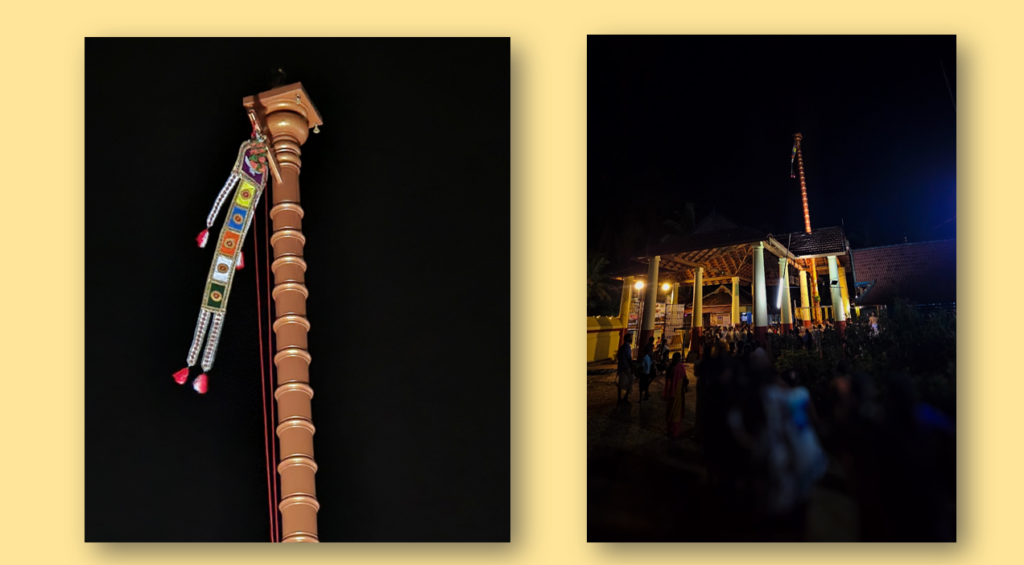
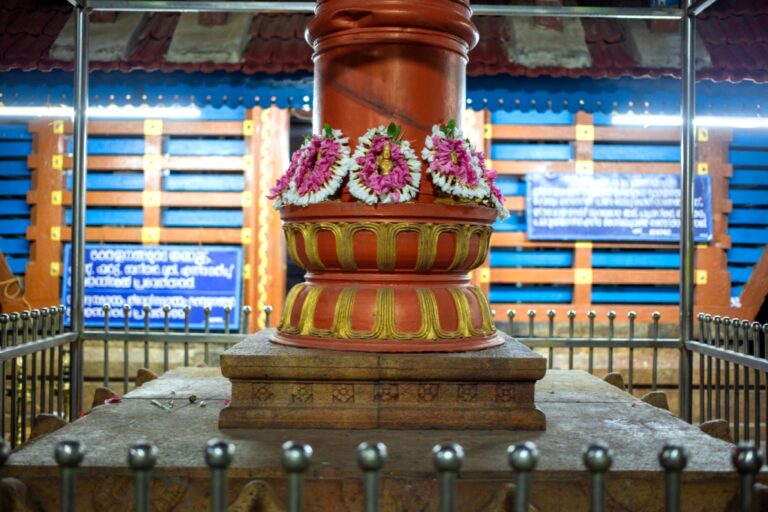
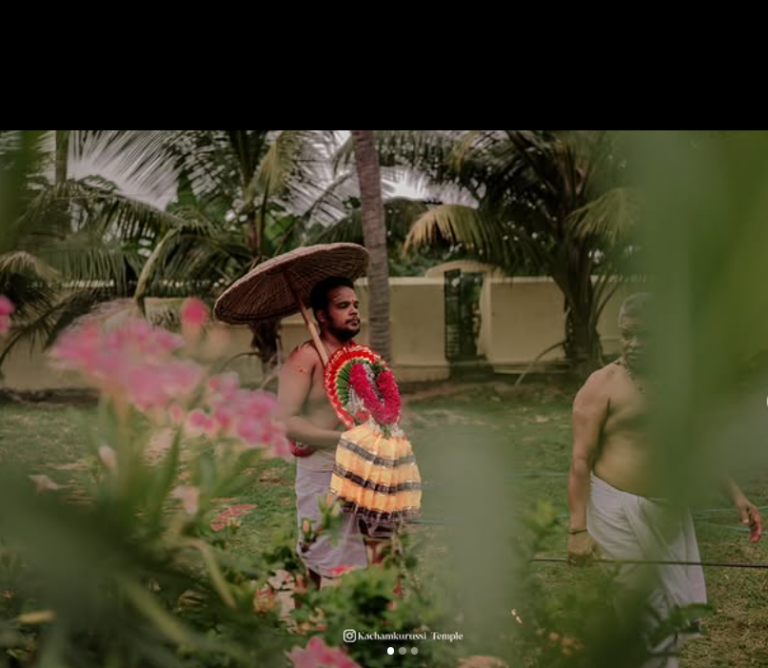
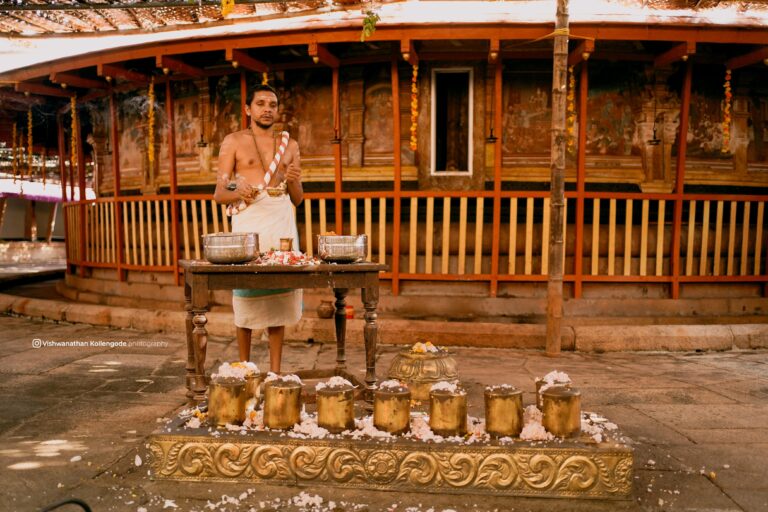
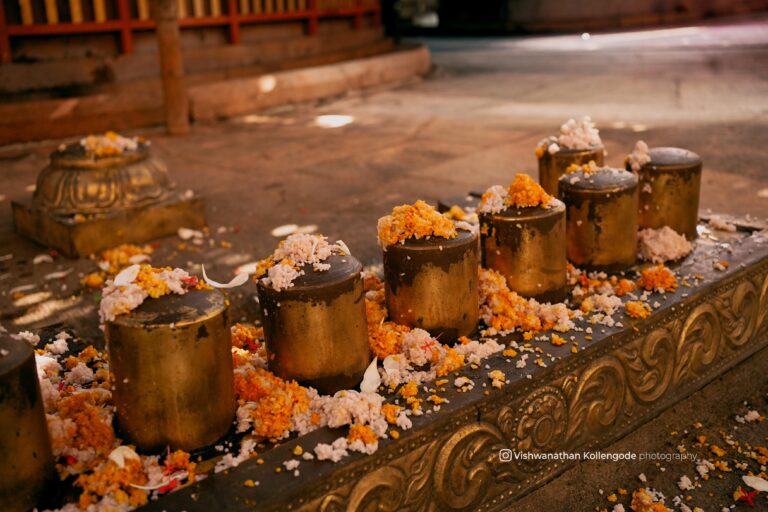
Utsava Bali is a major ritual in Kerala temples performed during the annual temple festival (Utsavam), usually between the 5th and 9th days of the 10-day celebration. It involves ceremonial offerings to guardian deities, elemental spirits, and unseen forces around the temple, ensuring harmony, purification, and divine blessings for the community.
Deities Involved: The Utsava Murthy (festival idol of the main deity) along with attendant deities, Dikpalakas (directional guardians), and Bhuta Ganas (elemental beings).
Purpose: To appease guardian deities and elemental spirits.
To purify the temple environment.
To remove obstacles and negative influences.
To ensure smooth conduct of the festival and invoke blessings for devotees and the region.
🔔 Key Ritual Elements
Bali Ezhunnallathu (Procession):
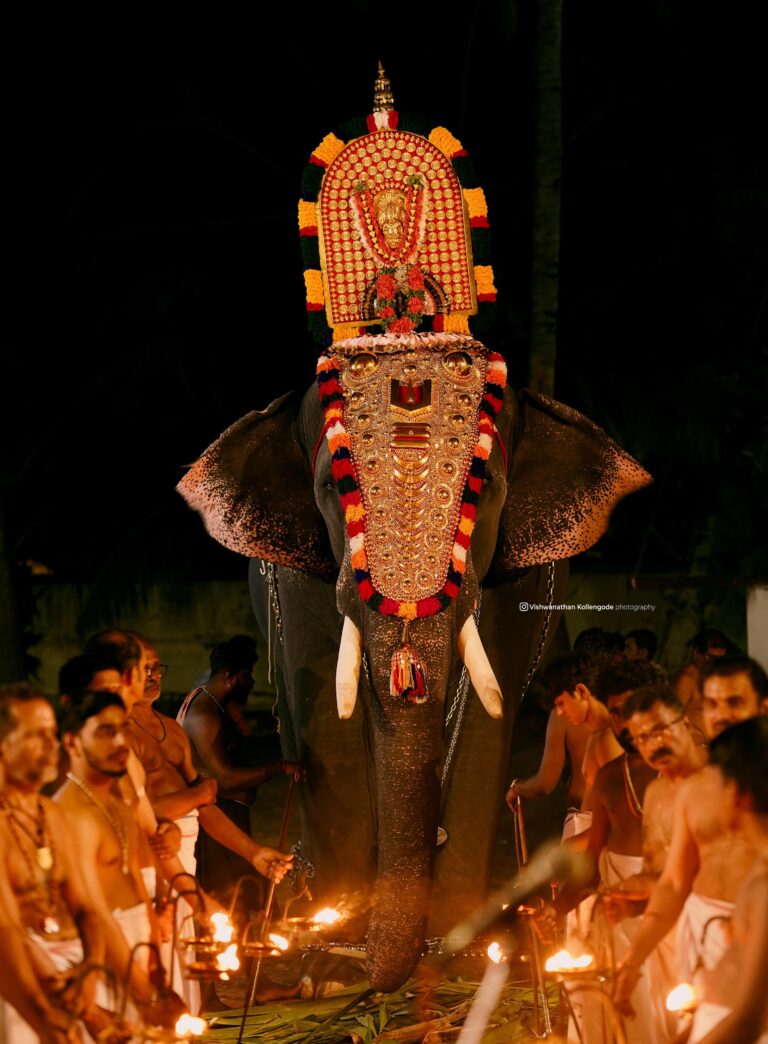
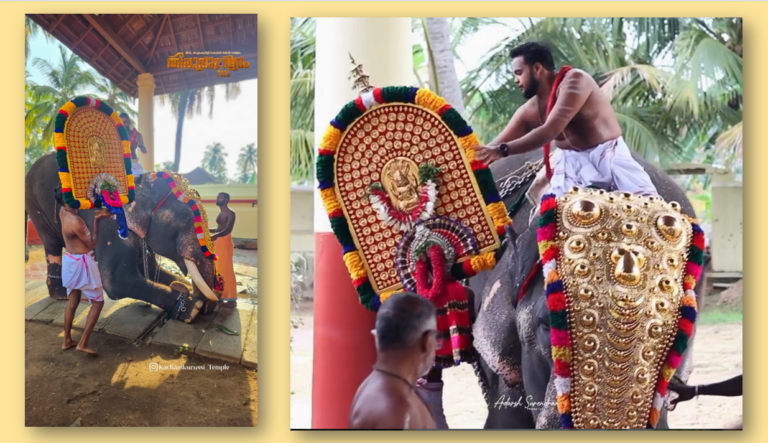
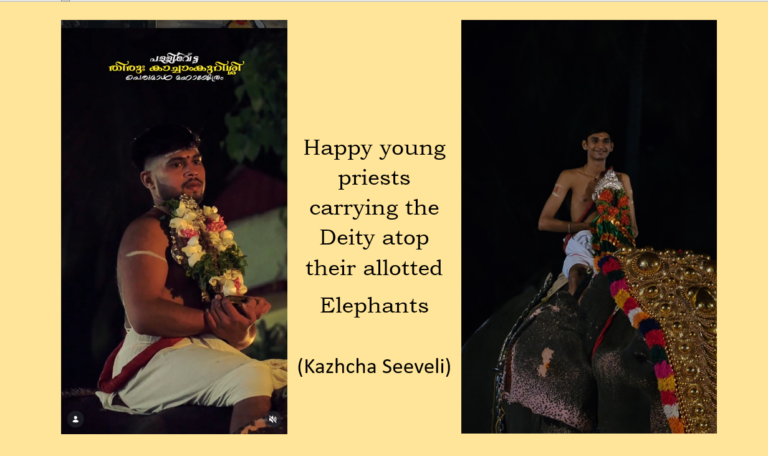
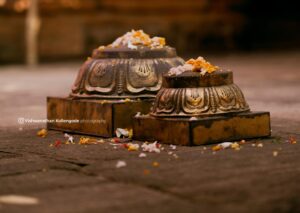
The Utsava Murthy is carried on a decorated elephant or palanquin around the temple, stopping at each Balikkal (sacrificial stone).
Offerings:
Specially prepared food items (rice, curries, sweets) placed on banana leaves at each Balikkal.
Mantras:
The Tantri (chief priest) chants Vedic and Tantric mantras at each station.
Music:
Percussion ensembles like Chenda Melam or Panchari Melam accompany the ritual, creating a vibrant atmosphere.
Concluding Rites:
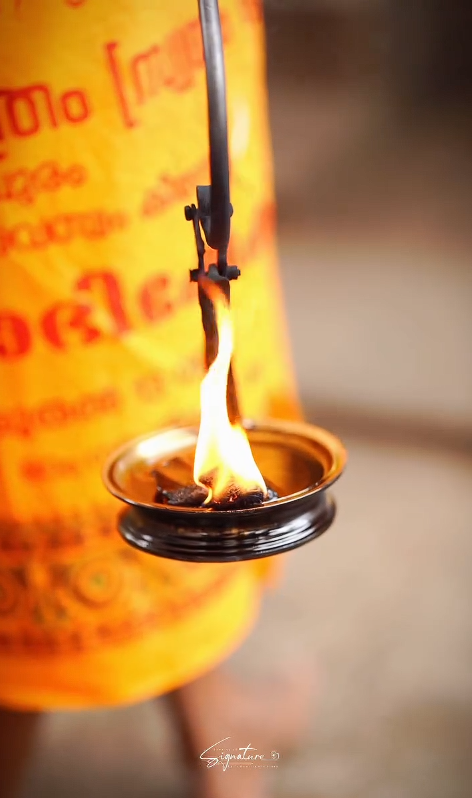
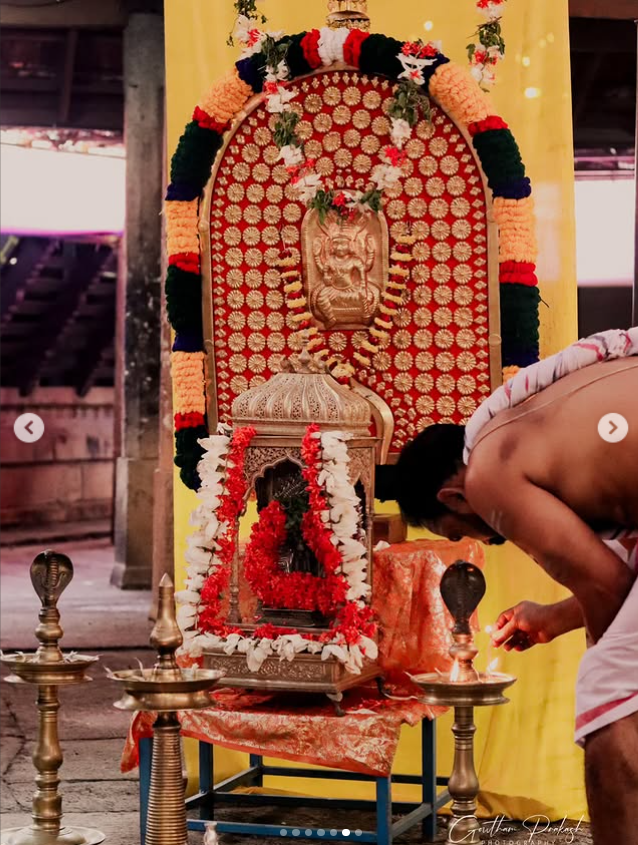
Deeparadhana (lamp offering), Nivedyam (food offering), and sometimes Kalasabhishekam (ritual bathing of the idol).
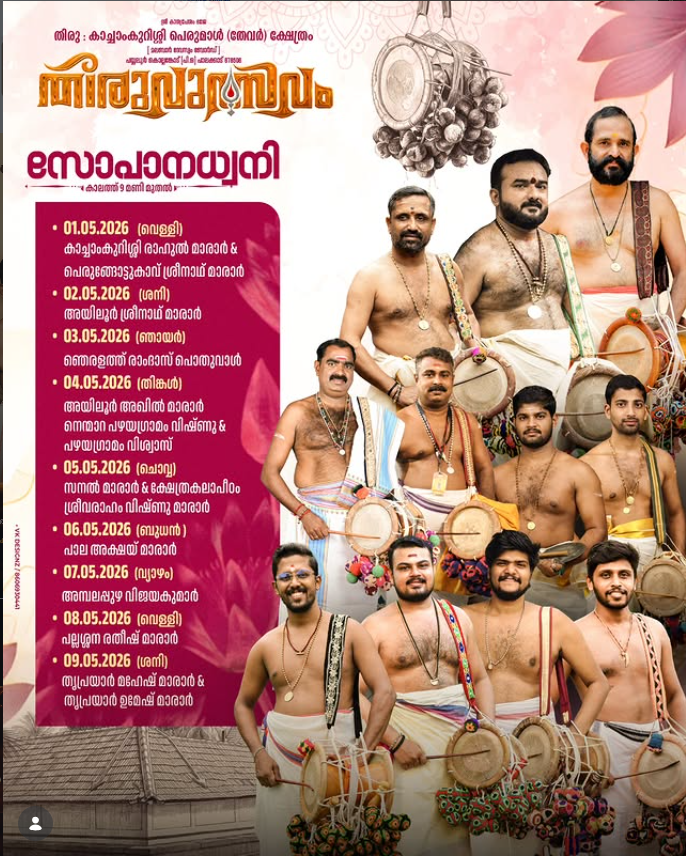

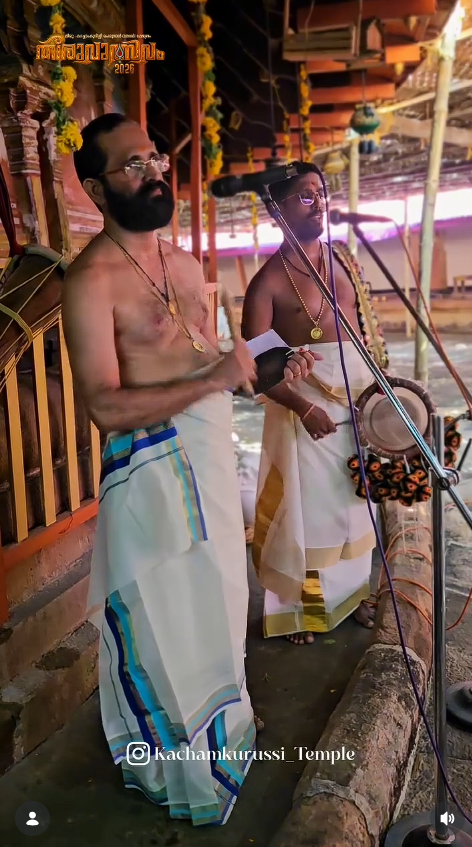
‘You walk into an old temple in Kerala maybe at dusk, just when the lamps are lit. The air smells of sandalwood, and there’s this slow, soul stirring sound that rises, almost like it’s climbing the very steps of the sanctum. That’s Sopana Sangeetham. It’s not background music. It’s not a performance. It’s more like a prayer that found rhythm. And somehow, after being pushed aside for decades, this music is coming back. Slowly. Quietly. But with a kind of quiet strength only ancient things carry.
What Even Is Sopana Sangeetham?
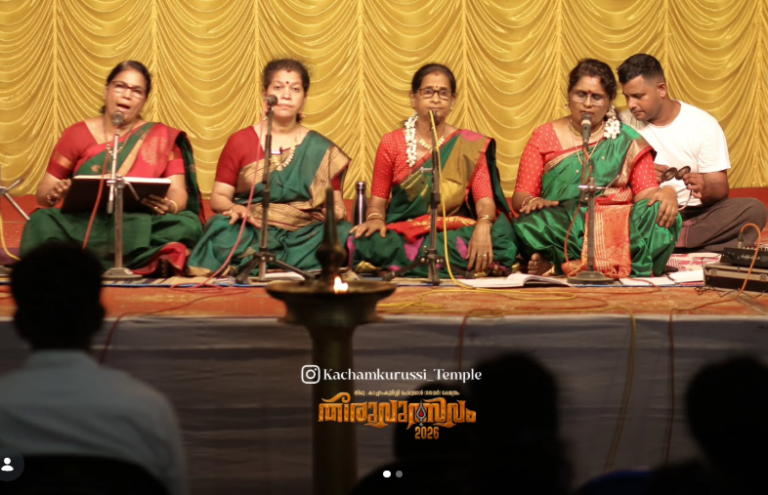
The name tells a story ‘Sopanam’ means the steps that lead to the deity, and ‘Sangeetham’ is music. Put together, it literally means “music of the steps.” It’s been part of Kerala’s temples for centuries, especially around the 13th or 14th century, when verses like Jayadeva’s Gita Govinda were first sung in these temple corridors. But don’t confuse it with Carnatic music. This isn’t about fast swaras or flashy vocals. It’s simple. Slow. Deep. Each note is stretched like a prayer. Each line especially those devotional ones sung to Krishna or Shiva comes out in a way that feels personal, like a chant just for the divine.
What Makes It Sound So Different?
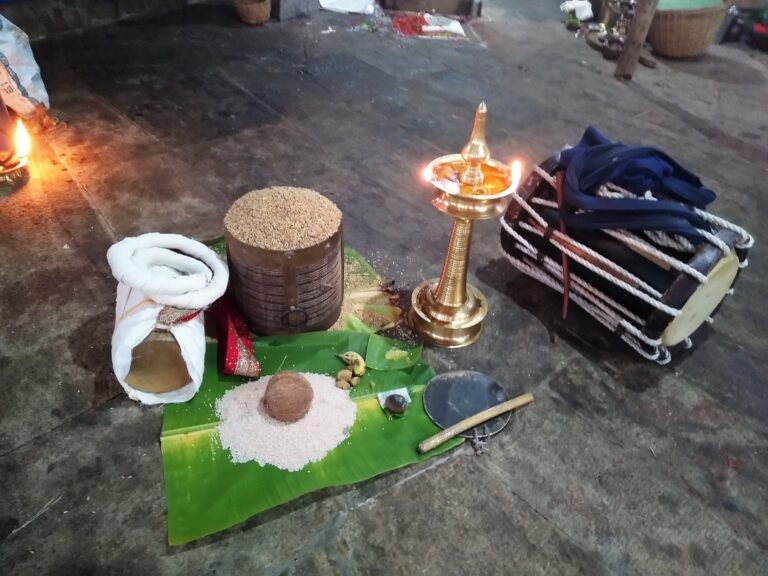
Then comes the Edakka, an hourglass shaped drum that doesn’t just beat it talks. It follows the singer’s tone, almost like a duet. Along with that, there’s the Chengila, a metallic disc that keeps time like a quiet heartbeat. There’s no rush, no crowd pleasing high notes. Just a meditative, flowing tune that pulls you inward. You don’t listen to Sopana Sangeetham to be entertained. You listen to feel something deeper.’
Source: Public Domain – biglive.com