In Kerala, Deepavali Vaavu (the new moon day of Deepavali) carries a unique cultural and spiritual significance, distinct from how the festival is celebrated in other parts of India:
🌑 Deepavali Vaavu in Kerala
- Date and Timing: Deepavali is observed on the Amavasya (new moon) day in the Malayalam month of Thulam (October–November).
- Spiritual Meaning: The festival symbolizes the victory of light over darkness, and good over evil. In Kerala, this is closely tied to the legend of Lord Krishna’s victory over Narakasura, a demon king.
- Cultural Interpretation: Unlike the more elaborate multi-day celebrations in North India, Deepavali in Kerala is more subdued and spiritual. It is often marked by:
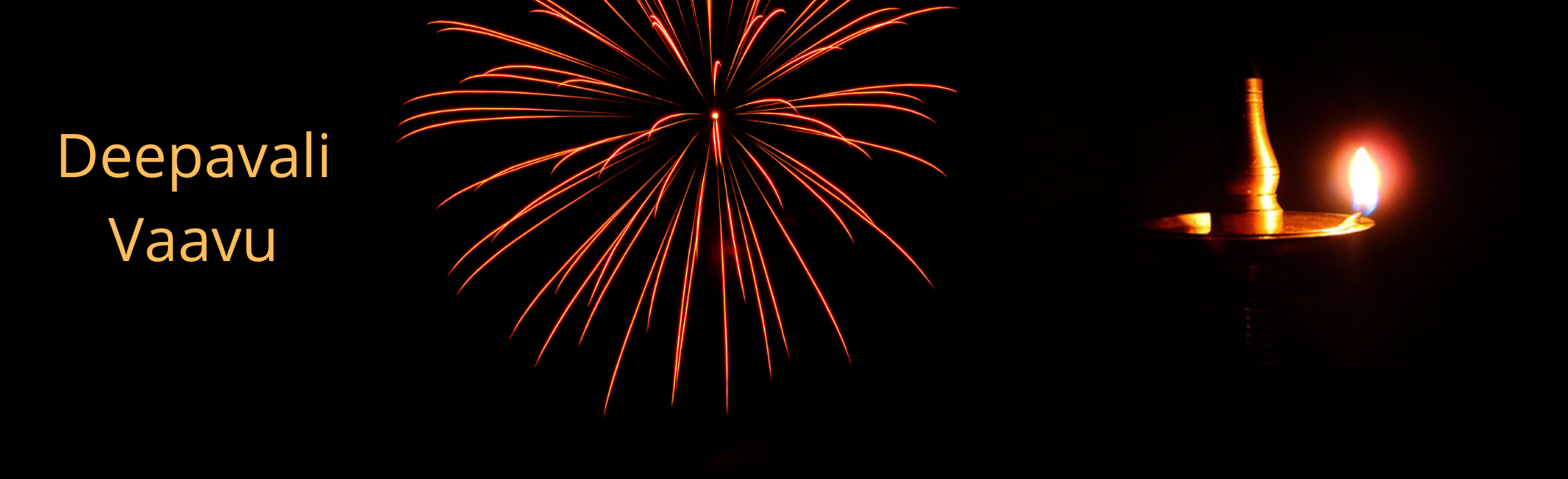
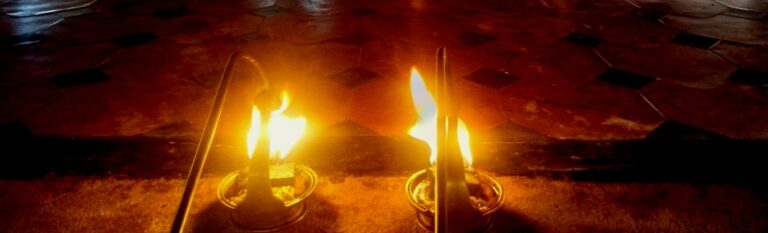
- Lighting lamps (deepams) to welcome divine blessings.
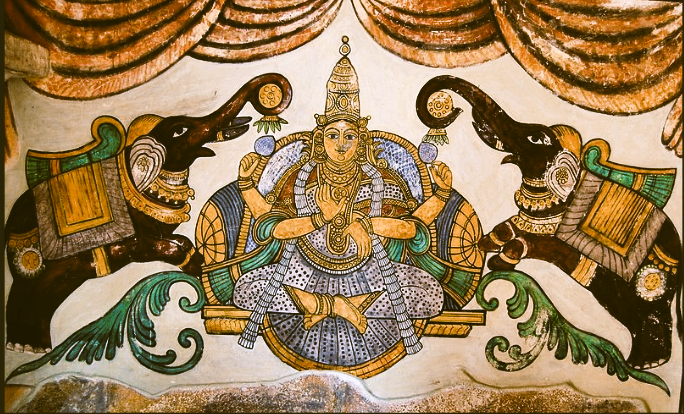
- Offering prayers to Lord Krishna and Goddess Lakshmi.
- Sharing sweets and wearing new clothes.
🕯️ Why “Vaavu” Matters
- Amavasya (Vaavu) is traditionally considered a powerful time for spiritual reflection and ancestral offerings in Kerala.
- While Karkidaka Vaavu (in July/August) is the main day for bali (ancestral rites), Deepavali Vaavu also carries the energy of transition and renewal, making it a meaningful time for lighting lamps and invoking prosperity.
🛕 Regional Flavor
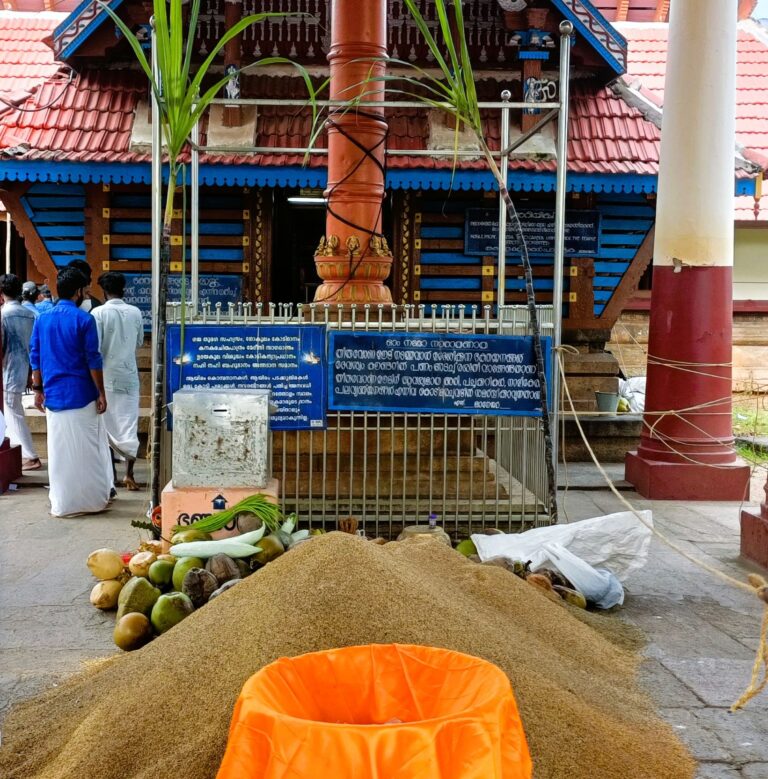
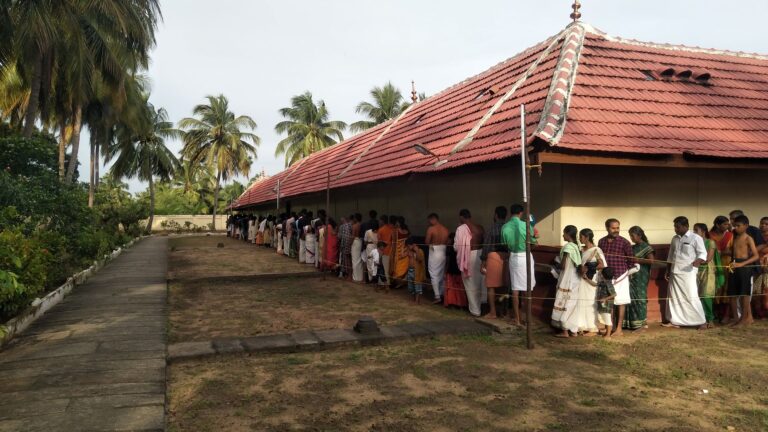
- In Kerala, Deepavali is not a public holiday, and its observance is more personal and devotional.
- The emphasis is on Krishna’s triumph, aligning with Kerala’s Vaishnavite traditions.